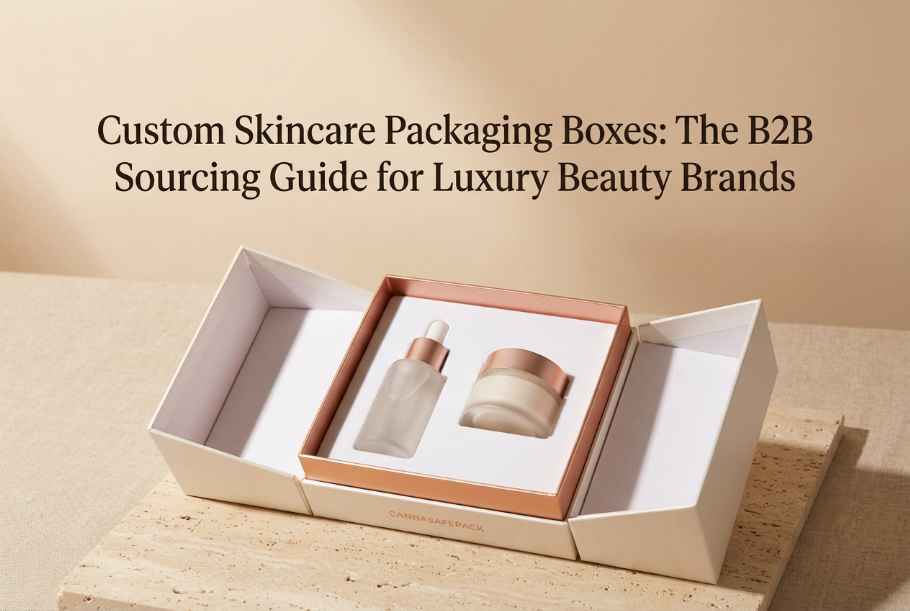
Custom Skincare Packaging Boxes: Precision Inserts, Heavy Glass Protection, and Luxury Unboxing for Beauty Brands

In modern prestige and clinical cosmetics, secondary packaging is no longer just a decorative outer shell. For high-performance skincare brands, custom skincare packaging boxes serve as the critical frontline defense for fragile glass dropper bottles, amber serum vials, and heavy cosmetic jars. As direct-to-consumer (D2C) shipping and cross-border ecommerce expand, brand founders and procurement managers face a dual mandate: engineering robust structural protection that completely eliminates transit breakage, while orchestrating an elevated unboxing ritual that justifies premium retail price points.
- 1. Structural Box Styles for Skincare Routines: From Single Bottles to Multi-Piece Sets
- 2. Precision Protective Inserts: Engineering Heavy Glass and Dropper Security
- 3. Tactile Finishes and Sustainable Substrates: Elevating Clean Beauty Branding
- 4. Structural Prototyping, Drop Testing, and B2B Wholesale Production Sourcing
1. Structural Box Styles for Skincare Routines: From Single Bottles to Multi-Piece Sets
Selecting the optimal rigid box format depends heavily on the primary container profile, overall kit weight, and retail merchandising strategy. Skincare collections usually encompass varied container shapes—from slender 30ml treatment droppers to stout 50ml glass cream pots. Specifying the wrong structural geometry can lead to lid sagging, loose container fit, or inflated sea and air freight expenses.

When engineering multi-piece regimen boxes (e.g., cleanser, toner, active serum, and night cream), structural weight balance is paramount. Heavy glass components must be distributed evenly across the center line to prevent the box from tipping during retail handling or tilting inside shipping cartons.
2. Precision Protective Inserts: Engineering Heavy Glass and Dropper Security
In luxury cosmetic packaging, the internal insert is the core engineering element that separates amateur packaging from industrial-grade reliability. Fragile flint glass bottles, ceramic jars, and pipette dropper assemblies are highly vulnerable to shock waves and surface friction. If the pipette bulb touches the inner roof of the box lid, vertical impact during courier transit will drive the glass pipette tip straight into the bottom of the bottle, causing internal fracture and liquid leakage.
| Insert Material | Impact Absorption | Surface Finish & Aesthetics | Primary Skincare Applications |
|---|---|---|---|
| High-Density EVA Foam (28°–38°) | Superior shock dampening; zero rebound deformation | Laser-cut edges; laminated with velvet, satin, or cardstock | Heavy luxury glass serum bottles, clinical droppers, perfume extracts |
| Molded Wet-Press Sugarcane Pulp | High structural rigidity; resilient molded ribs | Smooth organic matte texture; 100% biodegradable | Clean beauty routine sets, eco-conscious organic skincare brands |
| FSC Paperboard Folded Dividers | Moderate protection; lightweight mono-material | Fully printable with soy inks; seamless recycling stream | Tubes, sheet masks, lightweight plastic containers, daily essentials |
| Thermoformed Recycled PET (rPET) | Rigid snap-lock fit; excellent oil and moisture resistance | Crystal clear or flocked velvet finish; ultra-precise contours | Multi-vial ampoule systems, travel miniature kits, promotional samplers |

To ensure total dropper safety, our structural engineers integrate a minimum 3mm vertical clearance pocket above the silicone bulb. Furthermore, custom finger notches (half-moon cutouts) are calibrated into the insert body, allowing buyers to lift heavy glass bottles smoothly without pulling on delicate dropper collars.
3. Tactile Finishes and Sustainable Substrates: Elevating Clean Beauty Branding
Consumers judge the efficacy and value of a skincare formulation within the first three seconds of touching the box. Premium tactile finishes transform ordinary paperboard into a sensory experience that reflects the purity, science, and sophistication of the ingredients inside.

4. Structural Prototyping, Drop Testing, and B2B Wholesale Production Sourcing
Transitioning from an approved 3D rendering to mass factory production requires rigorous pre-press calibration and physical stress verification. For B2B buyers and sourcing directors, skipping structural prototyping often results in loose bottle cavities, inaccurate color reproduction, or unexpected sea freight damage.

- Bespoke Structural Engineering: 2D dieline generation, 3D parametric rendering, and custom insert cavity modeling tailored exactly to your bottle dimensions.
- Rapid Prototyping: Unprinted structural white samples delivered in 3–5 business days; fully finished digital color proofing with foil swatches in 7 days.
- Certified Sustainable Materials: 100% FSC-certified greyboards, biodegradable wet-press molded sugarcane pulp, soy inks, and recyclable paper laminates.
- Strict Batch Quality Control: Vernier caliper tolerance verification, manual corner seam inspection, drop testing, and cleanroom packaging assembly.
- Global B2B Logistics: DDP sea freight, air express, and consolidated palletized warehousing directly to your 3PL fulfillment centers worldwide.
Custom Magnetic Closure Boxes: The B2B Engineering and Sourcing Guide
Custom Jewelry Packaging Boxes: The B2B Sourcing Guide for Fine & Fashion Jewelry Brands
Related Article